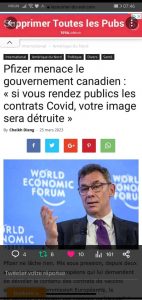
 Mark Zuckerberg passe aux aveux. Je me permets de vous envoyer une seconde fois ce message de grande importance, au cas où vous l’auriez manqué :
Dans une lettre officielle adressée au président de la commission judiciaire de la Chambre des représentants des États-Unis, le PDG de Meta (qui détient Facebook, Instagram, Whatsapp) a reconnu que de hauts responsables de l’administration Biden avaient fait pression sur son entreprise de médias sociaux pour qu’elle censure le contenu lié au COVID-19 pendant la pandémie.
Le contenu de sa lettre, sortie sur des réseaux sociaux indépendants tels que X (ex-Twitter) et Telegram, a été relayé quelques jours plus tard par la presse :Est-ce que je suis surpris ?
Évidemment pas.
En tant qu’utilisateur de Facebook, cela fait longtemps que j’ai constaté que tous les contenus qui n’étaient pas dans la ligne officielle du parti concernant le Covid (et d’autres sujets, en particulier santé) étaient au mieux occultés, au pire censurés.
Le contrôle et la suppression des contenus dérogeant à la doxa sanitaire sont très forts sur Facebook et consorts… depuis longtemps.
Ce qui est nouveau, c’est que Mark Zuckerberg le reconnaisse.
Et ce qui est vraiment étonnant, c’est qu’il dise le regretter.
Une opération de comm’ qui ne changera rien au fond du problème
Dans sa lettre, Zuckerberg écrit :
« En 2021, de hauts responsables de l’administration Biden, y compris la Maison Blanche, ont fait pression à plusieurs reprises pendant des mois sur nos équipes pour censurer certains contenus liés au COVID-19, notamment l’humour et la satire, et ont exprimé beaucoup de frustration à l’égard de nos équipes lorsque nous n’étions pas d’accord. »
Puis il ajoute : « Je pense que la pression du gouvernement était injustifiée et je regrette que nous n’ayons pas été plus explicites à ce sujet. […] Je pense également que nous avons fait des choix que, avec le recul et les nouvelles informations, nous ne ferions pas aujourd’hui. »
L’essentiel de cette censure, on le sait, portait sur les vaccins à ARNm : Joe Biden avait accusé toutes les personnes critiquant ces injections expérimentales de « tuer des gens »[1].
Je salue donc la lucidité de Mark Zuckerberg.
Mais je ne nourris aucune illusion quant au fait que si une nouvelle crise venait à se produire, nous observerions exactement le même phénomène.
À mes yeux, la lettre de Mark Zuckerberg est une opération de communication visant à regagner la confiance de ses utilisateurs lassés et déçus de voir leurs contenus étroitement surveillés, quand ils ne sont pas tout simplement supprimés.
Peut-être son mea culpa est-il sincère. Je lui laisse le bénéfice du doute.
Mais la pression systématique exercée par les gouvernements et les lobbies pharmaceutiques sur la presse et les réseaux sociaux est si forte, qu’avec toute la meilleure volonté du monde, il ne peut plus s’y soustraire.
Car quand un média ou un réseau social essaie de s’y soustraire, il est rappelé à l’ordre de la plus musclée des façons.
Le rang, ou la prison
Durant la crise du Covid, il n’y avait guère que sur Telegram qu’il était possible d’échanger avec des informateurs indépendants.
J’étais, pour ma part, sur la liste de diffusion d’un membre de l’OMS, qui informait ses lecteurs de tous les développements (confinements, vaccination, pass sanitaires puis vaccinaux) plusieurs jours avant qu’ils ne « sortent » officiellement dans les médias ou ne soient annoncés par les gouvernements.
Avoir accès à une telle source d’information était impossible ailleurs, et en particulier sur Facebook : cet utilisateur aurait été « suspendu », ses contenus détruits, et ses followers traqués.
C’est pourquoi la nouvelle de l’arrestation du fondateur de Telegram, Pavel Dourov, survenue la semaine dernière[2], est particulièrement inquiétante.
Pavel Dourov est le premier fondateur d’un réseau social ainsi mis en état d’arrestation.
Et le fait qu’il garantisse, envers et contre toutes les « pressions » des gouvernements occidentaux, la liberté d’expression de ses utilisateurs, est visiblement un délit aux yeux de l’État français, et à travers l’État français, de la Commission européenne.
Il est donc essentiel que des médias totalement indépendants émergent et résistent à cette culture de la censure décomplexée et autoritaire qui fait peser une chape de plomb de plus en plus lourde sur notre société.
C’est pourquoi j’ai créé une radio totalement indépendante qui permette de sortir du cercle clos de la propagande ânonnée par les médias mainstream en France.
Une radio qui permette de rester informé en-dehors des grandes ondes, lesquelles sont trop souvent au service des politiques gouvernementales et des intérêts des grands lobbies industriels.
Une radio qui vous rende service, de façon très concrète, et très pratique, et vous ouvre d’autres horizons que ceux, démoralisants, des discours policés officiels.
Une radio qui, tant qu’elle pourra continuer à émettre, vous livrera une information fiable, indépendante et non dépendante des lobbies pharmaceutiques et des officines du pouvoir.
Et dans un domaine en particulier : la santé.
Le Covid a marqué un tournant majeur dans ce domaine.
Vous avez assisté, en direct, au verrouillage des discours sur les stations de radio et les chaînes de télévision.
Le directeur de Facebook lui-même a reconnu que durant cette période, les réseaux sociaux subissaient une pression inouïe de la part du gouvernement américain.
Vous avez vu et entendu les mécanismes de la propagande la plus décomplexée, de l’hypnose de masse, s’imposer sur les ondes, ridiculisant puis interdisant toute contradiction.
Les mêmes médecins, les mêmes intervenants, ceux portant le discours catastrophiste du gouvernement, puis la bonne parole de la solution vaccinale, étaient invités ad nauseam au micro de ces radio et sur les plateaux de ces chaînes TV…
… Les Karine Lacombe, les Michel Cymès, les Jérôme Marty, les Alain Fischer, se succédaient de façon ininterrompue pour nous expliquer que la vitamine D ne servait à rien, que les produits de Pfizer, AstraZeneca et Moderna nous sauveraient de l’hécatombe…
… Dans le même temps, les Didier Raoult, les Christian Péronne, les Jean-Dominique Michel, les Alain Fouché, ont été impitoyablement blacklistés, harcelés, intimidés…
Cette folie médiatique a conduit de brillants chercheurs, tels Alexandra Henrion-Caude et même le Prix Nobel Luc Montagnier, à être du jour au lendemain bafoués et raillés.
Or ce phénomène ne s’est pas arrêté avec le Covid.
Il s’est même aggravé.
Il faut une « Radio Londres » de la santé
Nos médias sont plus que jamais verrouillés et contrôlés.
La crise du Covid a fait du ministère de la Santé un ministère de la police et de la propagande sanitaires, décrétant ce qu’il est permis ou non de dire en matière de santé.
Et cette offensive envers les discours indépendants s’est musclée ces derniers mois.
C’est une véritable chasse aux sorcières contre les médecines douces et complémentaires…
Bientôt, avec la promulgation imminente de l’article 4, faire la « promotion » de tout moyen non-conventionnel de santé pourra être considéré comme un délit !!
Ça n’est donc ni sur France Inter, ni sur TF1 ou BFM-TV que vous entendrez parler des solutions naturelles qui pourtant font du bien à votre santé.
Vous n’entendrez pas sur les ondes officielles toutes ces voix interdites, scientifiques, médecins, thérapeutes, qui continuent d’œuvrer pour la liberté en matière de santé.
J’ai donc décidé de leur donner la parole.
Il faut de toute urgence en France une « Radio Londres » de la santé.
Un canal de diffusion qui permette d’écouter ces médecins, chercheurs, thérapeutes, aujourd’hui exclus des médias mainstream.
Une radio où des solutions différentes à vos problèmes de santé peuvent être expliquées par ceux qui les pratiquent, et racontées par ceux qui en bénéficient.
Un espace privilégié et ouvert à d’autres formes de médecine, holistiques, intégratives, spirituelles, et qui permette de sortir du cercle vicieux de l’hypnose des foules.
Alors, ce canal, cette radio, cet espace, je l’ai créé.
Et je l’ai appelé Radio Londres Santé :
J’ai réuni autour de moi une équipe de courageux intervenants.
Ensemble, nous diffusons des informations et des solutions de santé que vous n’entendrez pas sur les radios et les télévisions mainstream.
Nous allons à la rencontre de médecins et de thérapeutes de l’ombre, et nous leur donnons la parole.
Une image contenant habits, personne, intérieur, mur Description générée automatiquement
Ils ont des expériences, des approches de soin, des révélations à partager avec vous.
Écoutez-les.
Il y a, dans leurs paroles, des propos qui vont vous étonner, vous émouvoir, vous aider.
Mpox : ça recommence !
Cette toute jeune radio prouve déjà que sa mission est nécessaire.
Et même vitale.
Car tout ce qui se passe depuis quelques semaines autour de la variole du singe, rebaptisé Mpox, nécessite une réinformation libre et éclairée.
Pour rappel, le 14 août 2024, l’Organisation mondiale de la Santé a déclaré « l’alerte internationale maximale » au sujet du Mpox.1
Les médias mainstream ont immédiatement embrayé, brandissant les mots-étendards « premiers cas » et « vaccins » :
Ces nouvelles ont ravivé des souvenirs encore très frais du fiasco sanitaire de 2020.
S’agit-il véritablement d’une urgence ?
Devez-vous vous inquiéter ?
Pour trier entre panique des médias et véritables risques sanitaires, j’ai fait appel à Pryska Ducoeurjoly.
Pryska est journaliste d’investigation sur la santé depuis plus de 10 ans.
Véritable référence dans le domaine des crises sanitaires, Pryska n’a pas attendu que les médias parlent du Mpox pour étudier la maladie.
Quand j’ai vu le battage médiatique autour d’une potentielle future pandémie, j’ai directement invité Pryska au micro de Radio Londres Santé.
Vous aurez un regard de sang-froid et une vision nouvelle sur Mpox, que vous pourrez partager avec vos proches inquiets pour les rassurer.
Dans cette émission de 30 minutes, vous apprenez :
Comment est née cette variole du singe (ce n’est pas ce que l’on pense) ;
Pourquoi la recherche sur ce virus avance au ralenti depuis des années ;
Ce qui se cache derrière l’affolement médiatique autour du Mpox (cela vous concerne) ;
Les dessous de cette « urgence sanitaire », installée à l’échelle mondiale depuis 4 ans.
Je vais vous présenter, dans un instant, le contenu des autres émissions déjà disponibles.
Mais d’abord, laissez-moi vous expliquer comment ça marche.
Comment écouter Radio Londres Santé ?
Radio Londres Santé est une radio accessible à tous, diffusée sur internet.
Pour l’écouter, vous n’aurez besoin que de votre téléphone ou de votre ordinateur.
Chaque auditeur souhaitant accéder au contenu renseigne son adresse mail et reçoit un accès personnel aux émissions de la radio.
Pour y accéder, vous pouvez vous rendre sur le site :
Depuis votre téléphone, vous pouvez choisir les émissions que vous souhaitez écouter :
Tous les deux ou trois jours, vous recevez un message vous informant des nouvelles émissions disponibles, avec un lien direct.
La plupart des émissions forment des séries, chaque épisode se focalisant sur une thématique, un problème de santé, une question, en particulier.
Vous pouvez écouter chaque émission où vous voulez, quand vous le voulez.
En faisant la cuisine, en promenant votre chien, le soir avant de vous endormir, le matin en vous réveillant.
Si vous n’avez pas le temps d’écouter une émission au moment de sa mise en ligne, pas d’inquiétude : vous gardez un accès permanent à toutes les émissions tant que votre inscription reste active.
Accédez maintenant gratuitement à Radio Londres Santé
Radio Londres Santé est un service d’information que j’ai voulu accessible à tous.
Néanmoins la production des émissions et la maintenance du site coûtent de l’argent.
J’ai donc décidé de conditionner l’accès à Radio Londres Santé à une cotisation symbolique de 5 euros par mois.
Cette cotisation me permet aussi de « filtrer » les personnes réellement motivées par la découverte de cette nouvelle radio et de ce qu’elle a à leur apporter.
Naturellement, vous pouvez décider d’annuler votre cotisation à tout moment, et ce sans vous justifier.
A l’occasion du lancement de Radio Londres Santé, sachez toutefois que le premier mois est gratuit.
Vous pouvez donc vous inscrire en toute liberté, gratuitement.
Je découvre Radio Londres Santé et je profite du premier mois gratuit
Pendant un mois à compter de votre inscription, vous pourrez écouter librement toutes les émissions disponibles et recevoir toutes les nouvelles sur votre messagerie.
Vous ne paierez la cotisation de 5 euros que le mois suivant, évidemment si et seulement si vous décidez de rester inscrit.
Que vais-je trouver sur Radio Londres Santé ?
Radio Londres Santé est un service libre et indépendant.
Vous y trouverez des figures et des paroles que vous n’entendez pas, ou plus, dans les autres médias.
Dans les premières séries d’émissions vous pourrez ainsi écouter :
Jean-Dominique Michel : anthropologue de la santé, Jean-Dominique Michel a longuement étudié le monde fascinant des guérisseurs philippins, avant de devenir une référence francophone dans le décryptage des abus liés à la gestion de la crise Covid.
Trouvez le chemin vers un mieux-être avec la mise en lumière des pratiques de guérison dans le monde ;
Avec Jean-Dominique Michel, portez un regard scientifique sur des pratiques non-scientifiques de civilisations autres que la nôtre ;
Découvrez « l’efficacité symbolique » et son importance dans le processus de guérison, notamment dans les rituels chamaniques.
De la pastille placébo à la chirurgie placébo, l’anthropologue vous révèle les découvertes scientifiques sur ces méthodes.
Dr Suva Loap : ce brillant médecin au parcours impressionnant a développé une méthode de soin pour perdre de la graisse qui connaît des résultats vraiment spectaculaires.
A notre micro, il évoquera le long cheminement de sa méthode, partie de la cancérologie, de la diabétologie et de la médecine anti-âge, et vous expliquera pourquoi les « solutions » classiques – les régimes, le sport intensif ou les bains froids – sont non seulement inefficaces mais contre-productifs à ses yeux.
Il vous dévoilera la vraie cause de toutes les maladies qui peuvent vous tuer prématurément : AVC, infarctus, cancer… et comment agir dessus rapidement pour réduire vos risques.
Vous apprendrez également que vos éventuelles intolérances alimentaires, votre microbiote et la qualité de votre sommeil jouent un rôle crucial dans votre poids : Dr Loap partagera avec vous des conseils précieux pour agir sur ces 3 paramètres.
Vous entendrez les révélations du Dr Jean-Jacques Charbonier : ce médecin anesthésiste-réanimateur, avec une expérience longue de 35 ans, a été censuré par la plupart des médias.
Pourquoi ? Car il a eu l’audace de rendre publiques ses découvertes autour de la conscience. Après s’être intéressé aux expériences de mort imminentes (EMI), le Dr Charbonier a fait l’objet d’une chasse aux sorcières impitoyable.
Il revient sur ses recherches dans le domaine des sciences noétiques, les sciences de la conscience. Dans un entretien fascinant, le Dr Charbonier parle des séances d’hypnose collective qu’il donne dans les grandes villes de France. Sa méthode « TCH », la « transcommunication hypnotique » fait de plus en plus d’adeptes en France. À ce jour, il a permis à des milliers de personnes de soigner leurs blessures profondes, se débarrasser de l’angoisse de la mort, surmonter la souffrance d’un deuil…
Vous partirez à la rencontre du maître Guy Brassecassé, résistant de la médecine complémentaire.
Rendez-vous avec le maître Qi Gong Guy Brassecassé, formé en tant que kiné, acuponcteur et ostéopathe, adepte de la médecine chinoise qui s’est orienté vers le reiki ;
Véritable résistant de la santé, maître Brassecassé pratique la médecine complémentaire depuis près de 50 ans et nous parle des enseignements de la pratique énergétique ;
Découvrez comment son don de magnétiseur s’est révélé à lui dans un échange passionnant ;
Plongez avec lui dans la médecine chinoise au cours d’une discussion passionnante de la théorie vers la pratique, à la découverte des saisons des maladies ;
Découvrez les solutions proposées par maître Brassecassé et ses enseignements du Qi Gong pour maîtriser le corps astral, le corps émotionnel ;
Apprenez comment vous débarrasser de la peur d’être en mauvaise santé, de l’obsession de la pensée, en mettant une intention dans chaque geste.
Je découvre Radio Londres Santé et je profite du premier mois gratuit
Vous pouvez dès aujourd’hui allumer la seule radio libre diffusant une parole indépendante en matière de santé.
Vous pouvez, simplement en écoutant une émission, découvrir une solution susceptible de vous rendre service, voire de changer votre vie.
C’est pour cela que Radio Londres Santé commence à émettre.
Ce que cette radio va apporter à votre santé
Voici ce que Radio Londres Santé va vous apporter :
Des conseils pratiques et applicables contre vos maux du quotidien ou contre des problèmes de santé chroniques et plus graves, tels que le diabète, le surpoids ou les maladies neurodégénératives ;
L’assurance d’une liberté de parole absolue, sans aucune censure ni influence des grands médias ;
Une protection face à la désinformation, avec une réponse claire et tranchée sur de grands sujets controversés : les vaccins, les politiques sanitaires du gouvernement, les menaces de pandémie brandies par l’OMS ;
Un lien privé, chaleureux et régulier avec des grands médecins et scientifiques, interviewés par ma courageuse équipe et moi-même : le Dr Jean-Jacques Charbonier, le Dr Suva Loap, Jean-Dominique Michel
Je découvre Radio Londres Santé et je profite du premier mois gratuit
Je récapitule. En vous inscrivant gratuitement à RLS, vous obtenez :
14 émissions déjà enregistrées avec Jean-Dominique Michel, le Dr Suva Loap, Maître Brassecassé, Dr Dominique Rueff, qui constituent le premier épisode d’une série
3 nouvelles émissions audio par semaine (chaque émission dure entre 20 et 30 minutes)
Un accès à la parole libérée des plus grands médecins et scientifiques francophones, que vous pouvez écouter dans votre voiture, dans votre cuisine, en préparant à manger, dans votre jardin, bref où et quand vous voulez.
Rejoignez la résistance, écoutez Radio Londres Santé, retrouvez la liberté de parole et la liberté de soigner redonnées aux thérapeutes !
Pour cela, cliquez sur le bouton ci-dessous.
Je découvre Radio Londres Santé et je profite du premier mois gratuit
À très vite sur Radio Londres Santé !
Rodolphe Bacquet
Sources :
[1] https://www.francetvinfo.fr/internet/reseaux-sociaux/facebook/mark-zuckerberg-affirme-que-la-maison-blanche-a-fait-pression-sur-facebook-et-instagram-pour-censurer-des-contenus-sur-le-covid-19_6746671.html – « Mark Zuckerberg affirme que la Maison Blanche a fait “pression” sur Facebook et Instagram pour censurer les contenus sur le Covid-19 », in. France Info, 27 août 2024
[2] https://www.rts.ch/info/monde/2024/article/l-arrestation-de-l-enigmatique-patron-de-telegram-pavel-durov-souleve-de-nombreuses-questions-28610426.html – Isabelle Cornaz, « L’arrestation de l’énigmatique patron de Telegram Pavel Durov soulève de nombreuses questions », in. site de la RTS, 27 août 2024
Mark Zuckerberg passe aux aveux Mark Zuckerberg passe aux aveux Mark Zuckerberg passe aux aveux Mark Zuckerberg passe aux aveux Mark Zuckerberg passe aux aveux Mark Zuckerberg passe aux aveux Mark Zuckerberg passe aux aveux

 How Carpet Is Made : the carpet that is made today is a mix of old world craftsmanship and a touch of 21st century innovation. By combining the two, carpet is able to become the household feature that we all know and love – and get tired of cleaning.
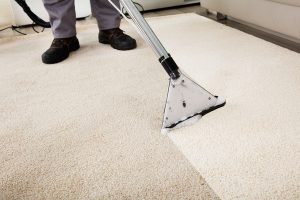 Carpet Cleaning Tips : Tip 1